May 6, 2026
Every summer, the heat inevitably arrives with variable timing, bringing with it some of the most costly and preventable workers’ comp claims of the year. The hazards federal workers face don’t typically make the headlines, but for a Federal Law Enforcement officer who’s stationed on an outdoor post in July or a longshoreman who’s tasked with unloading cargo on a sunbaked dock, heat isn’t just a forecast, it’s an occupational risk. For workers in high-exposure roles across agencies, as well as those operating under the Office of Workers’ Compensation Programs (OWCP) in industries such as mining and maritime, the consequences of inaction can be significant for both workforce health and agency budgets alike. Heat-related illness is among the most preventable categories of workers’ comp claims, yet year after year, agencies absorb costs because the groundwork for early intervention and care coordination wasn’t laid in time. The window to get ahead of the claims by shifting from reactive claims management to proactive risk mitigation is narrow for most agencies, but it’s open right now.
Understanding The Risk Landscape
Not all federal workers face the same level of heat exposure risk, but the breadth of at-risk populations is wider than many agency leaders realize until the claims start rolling in post Memorial Day. The common thread across high-exposure roles isn’t simply outdoor work, it’s the compounding nature of the conditions themselves. Physical demands don’t let up, relief is limited, and the environment offers little margin for error, this by default, leads to little chance at a full recovery and a greater chance of reinjury. Whether it be a law enforcement officer in full gear on outdoor patrol or a longshoreman working a summer afternoon on an open dock, the conditions for heat exhaustion or heat stroke to escalate quickly are already present. When they do, the downstream effects extend well beyond the initial medical event through lost workdays, emergency interventions, and long-tail claims that strain agency resources into the following fiscal year.
The agencies that will be best positioned to protect their workers this summer are the ones that already know where the risk lives. This means doing the mapping work now. Look first at who is at risk, then to where they work, and finally identify the compensation framework they fit. This will allow teams to direct their resources and expertise where they’re needed most, rather than casting a wide net after claims have already begun to climb.
The Case for Early Intervention
Knowing where the risk sets up shop is only half the equation. The other half lies in what agencies do with that knowledge before the first incident occurs and that work happens on two fronts: prevention and response readiness. This is what separates a manageable summer from a costly one.
On the prevention side, the measures that will most effectively reduce heat-related incidents aren’t intensely complex or expensive, but they do require intentional planning before the season, not in the middle of it. Structured acclimatization protocols for workers transitioning into high-heat environments, scheduled work rotation to limit sustained exposure, shaded rest areas, accessible water stations, and clear employee education on self-directed warning signs can all meaningfully reduce the likelihood of a heat event in the first place.
Even well-prepared agencies will see incidents, however, and when they occur, response readiness becomes the deciding factor. The response window is short for heat-related illness, and every hour without coordinated care increases the difficulty of getting to a resolution, which is why the goal isn’t just prevention, it’s ensuring that when prevention falls short, the pathway from incident to treatment is already mapped. This also means supervisors need to recognize the warning signs of heat illness before they become an emergency, as injured workers need a fast, clear route to qualified medical care. Simultaneously, agencies will also need experienced claims examiners and nurse case managers positioned and ready to coordinate that care, manage the bill process, and keep the “return-to-duty” goal on the horizon from recovery day number one.
The true key: investing in this infrastructure now, before claims volume climbs. Agencies that do will be in a fundamentally stronger position than those waiting to react, and preparation will always cost a fraction of what a backlog does.
The Trifecta: Care Coordination, Provider Access, and Cost Containment
Provider access and cost control remain two of the most consequential variables in workers’ comp outcomes, with cost containment as a close third. To ensure injured workers reach the right care quickly, these have to work in tandem with treatment grounded in evidence-based protocols, to shape how the claims are resolved. From the first report of injury, Sedgwick Government Solutions (SGS) protocols initiate critical activities to connect workers with participating providers, trigger acuity based case management and utilization review, and bring employer collaboration into the process early to optimize outcomes and ensure nothing falls through the cracks. Without well-developed post injury procedures and stakeholder collaboration, even well-managed claims can carry unnecessary financial drag.
Acting Before the Season Does
The few short weeks that are ahead are a critical preparedness window. Agencies that use this time to engage in preventive measures, audit their workers’ comp processes, strengthen participating provider coverage, and ensure comprehensive case management functions are ready will be in a much stronger position when the summer heat peaks. Big picture: heat-related illness is predictable but when teams institute prevention measures such as the right systems, expertise, and networks in place before the season accelerates, it provides teams with the ability to manage it. By planning and executing the prep now, agencies can ensure the protection of both the workers on the front lines and the agency resources behind them.
Stay ready when temperatures rise
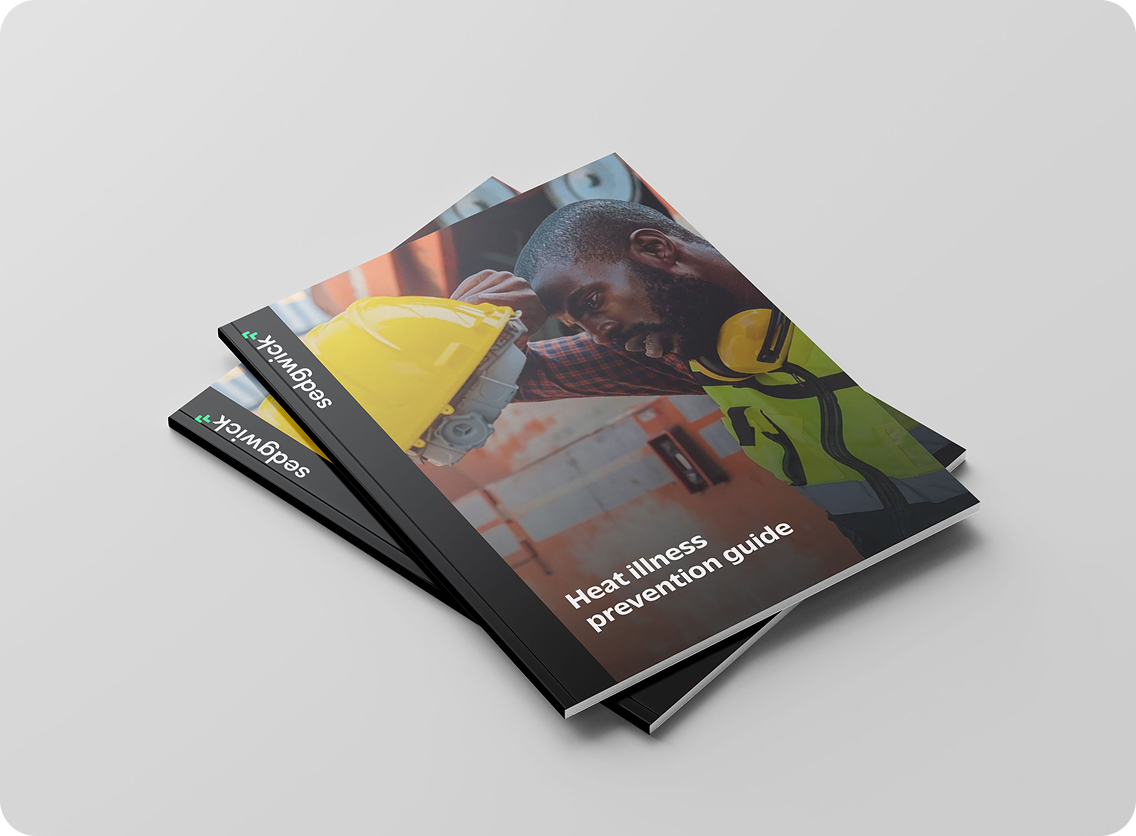
Protect your workforce and reduce risk with practical heat illness prevention strategies. Get expert guidance to help create safer worksites and support workers during extreme heat.